Changwon International Shooting Range
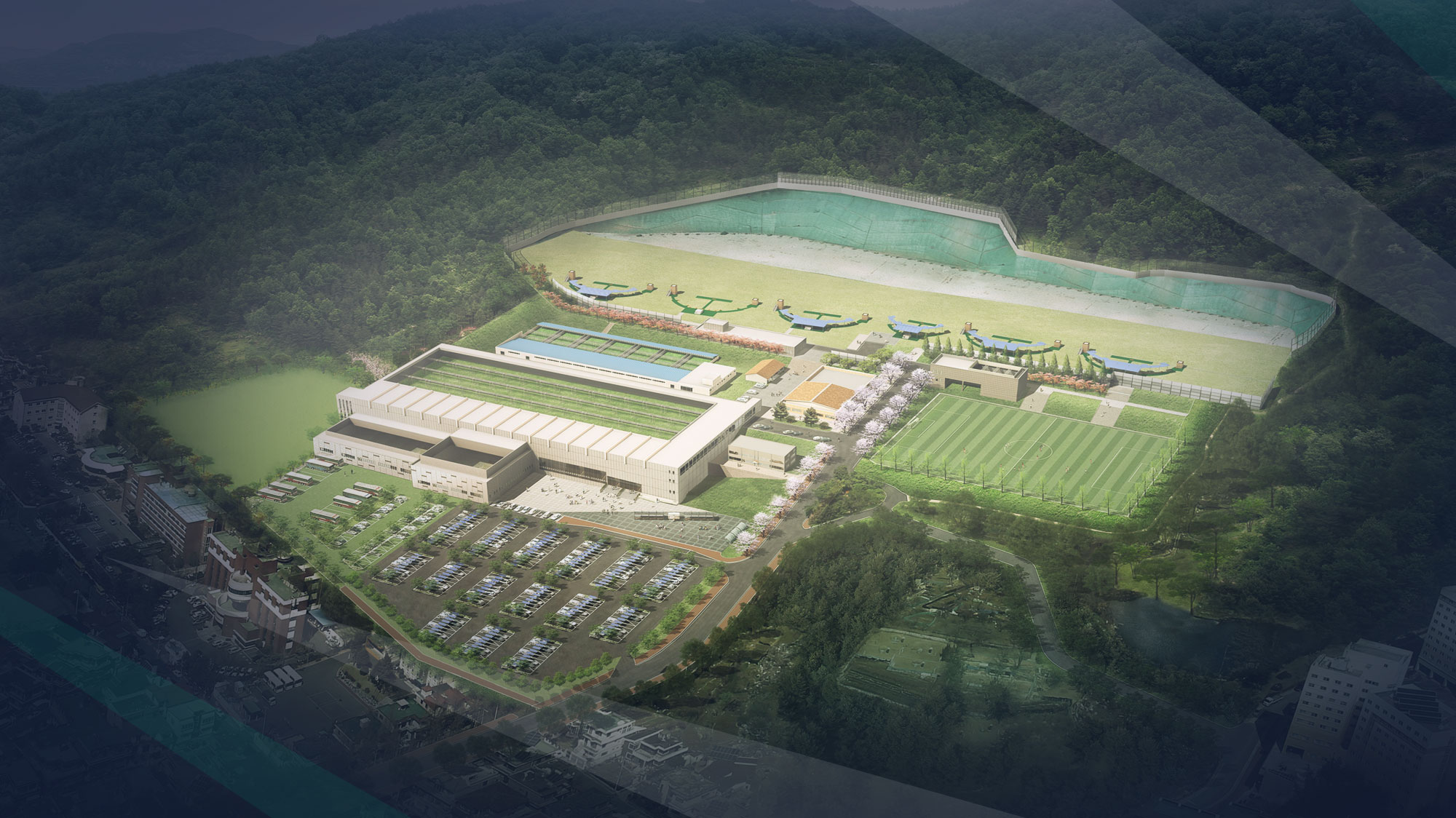
The Changwon International Shooting Range was the central venue for the 52nd ISSF World Shooting Championship. Built to meet ISSF standards, the facility hosted all major disciplines — Rifle, Pistol, Shotgun, and Running Target — across its multiple ranges during the competition period of August 31 to September 15, 2018.
The range complex provided dedicated firing points, electronic scoring systems, and spectator areas designed for international broadcast coverage. Its layout accommodated simultaneous events across different disciplines, ensuring a smooth competition flow throughout the 15-day championship.
The competition schedule at the Changwon International Shooting Range was meticulously arranged to accommodate the full spectrum of shooting disciplines over several weeks. Each day brought a carefully sequenced rotation of events, allowing athletes to focus on precision and composure across rifle, pistol, and shotgun categories. Morning sessions typically opened with qualification rounds under controlled conditions, while afternoons reserved the high-stakes finals for spectators and broadcast cameras alike. This rhythmic flow ensured that every competitor received equal opportunity to perform on the world stage, with ample time between events for rest and recalibration. The result was a seamless orchestration of sport, timing, and international participation.
Beyond the firing lines, the schedule also reflected the broader cultural and logistical ambitions of the host city. Changwon welcomed athletes, officials, and visitors from around the globe, integrating the championship into a wider celebration of sport and community. Side programming included orientation tours, hospitality events, and opportunities for cultural exchange that enriched the competitive experience. The daily timetable thus balanced athletic rigor with moments of connection, allowing participants to explore Korean traditions and modern urban life. This thoughtful coordination elevated the championship from a mere competition into a memorable international gathering rooted in mutual respect and shared passion.
For those following the events remotely or from the stands, the schedule provided clarity and anticipation throughout the championship period. Each discipline's progression from preliminary rounds to medal finals was clearly mapped, helping audiences track emerging rivalries and standout performances. The electronic scoring systems fed real-time results into the venue's displays and global broadcast feeds, keeping everyone informed as rankings shifted. This transparency deepened engagement, whether one was a seasoned shooting enthusiast or a first-time visitor curious about the sport. The schedule thus served not only as a logistical tool but as a narrative framework for the championship's unfolding drama.
Shooting Ranges in Korea
Beyond the primary venue, Korea maintains a network of shooting facilities that support domestic and international competitions. These ranges vary in specialization — some focus on Olympic-style precision events, while others cater to shotgun disciplines with dedicated clay-target layouts.
The championship drew on Korea's established shooting infrastructure, which has developed steadily since the country began hosting ISSF-sanctioned events. Facilities are distributed across several provinces, providing training grounds for national team athletes and regional clubs alike.
Rifle & Pistol Ranges
Indoor and outdoor 10m, 25m, and 50m firing points with electronic target systems, used for Air Rifle, Air Pistol, and Powder Pistol events.
Shotgun Fields
Trap, Skeet, and Double Trap layouts with automated clay-target launchers, meeting ISSF specifications for international competition.
Running Target Lanes
Dedicated 10m and 50m Running Target ranges with mechanized target carriers for both regular and mixed-run events.
300m Rifle Range
Long-distance firing points for 300m Rifle Prone, 300m Rifle 3 Positions, and 300m Standard Rifle disciplines.
History of Host Cities & Ranges
The ISSF World Shooting Championship has traveled across continents, with each edition hosted by a city capable of providing world-class shooting facilities. The 52nd edition in Changwon continued this tradition, following previous championships held in cities such as Granada (2014), Munich (2010), and Zagreb (2006).
Each host city has contributed to the evolution of range design and competition infrastructure. Changwon's selection reflected Korea's growing stature in the international shooting community and the quality of its purpose-built range complex.
| Year | Edition | Host City | Country |
|---|---|---|---|
| 2018 | 52nd | Changwon | South Korea |
| 2014 | 51st | Granada | Spain |
| 2010 | 50th | Munich | Germany |
| 2006 | 49th | Zagreb | Croatia |
| 2002 | 48th | Lahti | Finland |
Venue Features
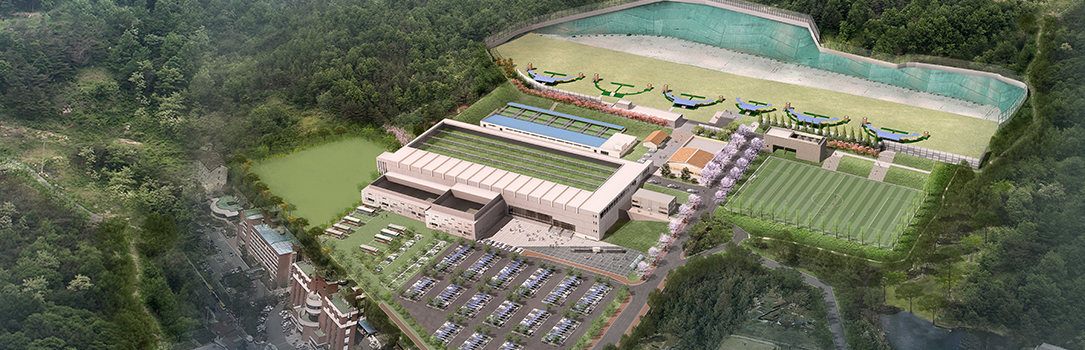
The Changwon International Shooting Range was designed with both athlete performance and spectator experience in mind. Key features included climate-controlled indoor ranges for air-discipline events, covered outdoor firing points, and dedicated warm-up areas adjacent to competition lanes.
Support facilities on site included ammunition storage, firearm inspection stations, medical services, media workrooms, and athlete lounges — all coordinated under ISSF technical supervision throughout the championship.