
52nd ISSF World Shooting Championship
Shooting Events
Four core disciplines — Rifle, Pistol, Shotgun, and Running Target — contested at the Changwon International Shooting Range from August 31 to September 15, 2018.
Competition Disciplines
Rifle
- 10m Air Rifle
- 50m Rifle Prone
- 50m Rifle 3 Positions
- 300m Rifle Prone
- 300m Rifle 3 Positions
- 300m Standard Rifle
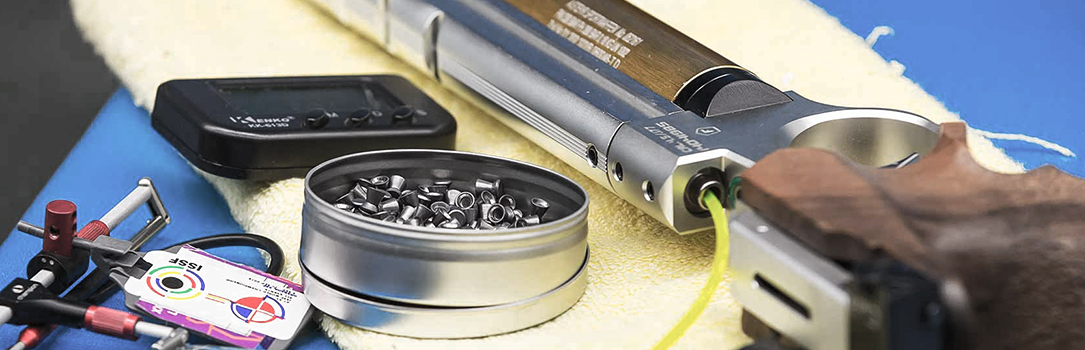
Pistol
- Air Pistol events
- Powder Pistol disciplines
Shotgun
- Clay pigeon shooting
- Trap and Skeet variants
Running Target
- 10m Running Target
- 10m Running Target Mixed
- 50m Running Target
- 50m Running Target Mixed
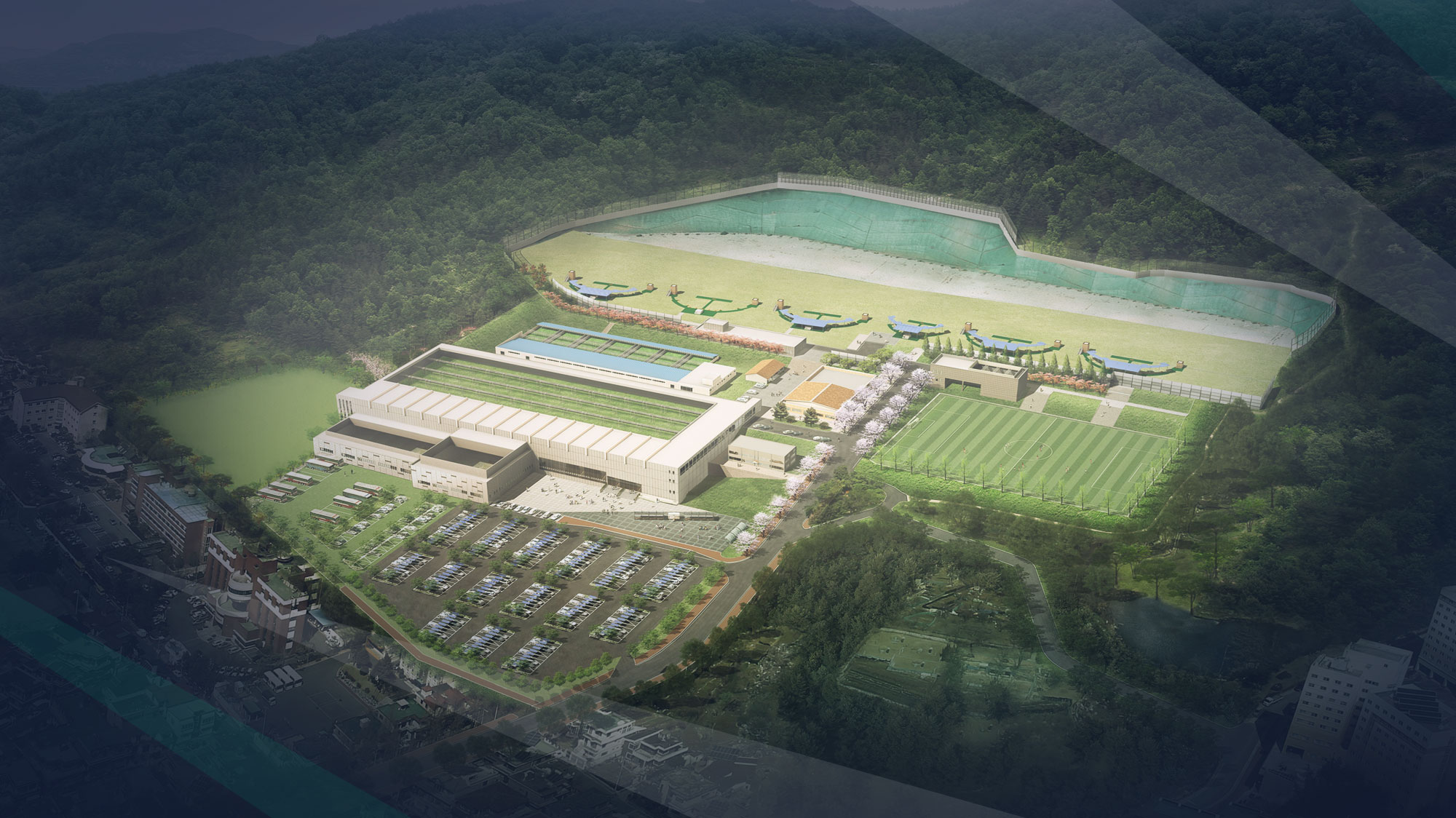
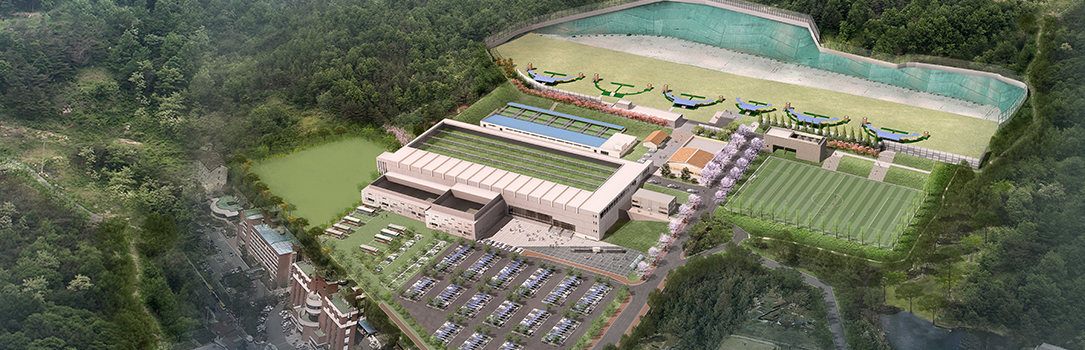
Changwon International Shooting Range
All Rifle, Pistol, Shotgun, and Running Target events were held at the purpose-built Changwon International Shooting Range — the primary venue for the 52nd ISSF World Shooting Championship.
The Changwon International Shooting Range stands as a world-class facility designed to host the most demanding marksmanship competitions on the global calendar. Its sprawling layout accommodates multiple disciplines simultaneously, allowing athletes and spectators alike to experience the full breadth of the sport. The range features dedicated zones for each core discipline, with state-of-the-art target systems and carefully controlled environmental conditions ensuring fair and consistent competition. Beyond its technical specifications, the venue embodies a spirit of precision and focus that resonates throughout the championship grounds. Every detail, from the sight lines to the safety protocols, reflects years of planning and a deep commitment to the shooting sports community.
Rifle competition demands extraordinary steadiness and control, with athletes competing across distances that test both equipment and human nerve. The ten-meter air rifle events showcase pinpoint accuracy in a controlled indoor setting, while the fifty-meter and three-hundred-meter disciplines introduce the challenges of wind reading and position changes. Competitors must master three distinct stances in the three-position events, transitioning smoothly between kneeling, prone, and standing while maintaining consistent shot placement. Each rifle category presents its own unique technical demands, from the precise calibration of air rifles to the powerful recoil management required for full-bore competition at extended ranges.
Pistol shooting combines raw speed with refined technique, requiring athletes to draw, aim, and fire with seamless coordination. The air pistol events emphasize still-handed precision at ten meters, where the slightest tremor can send a shot wide of the ten-ring. Powder pistol disciplines introduce greater recoil and report, testing a shooter's ability to recover quickly between shots while maintaining a consistent grip and sight picture. The mental component is equally demanding, as competitors must manage their heart rate, breathing, and concentration over extended strings of fire. Success in pistol events comes to those who can balance explosive action with meditative calm.
Shotgun events bring a dynamic outdoor dimension to the championship, with clay targets launched at varying angles and speeds to simulate bird flight. Trap shooting presents targets moving away from the shooter, while skeet offers crossing trajectories that test swing and follow-through. The shotgunner must develop an instinctive pointing ability, mounting the gun smoothly and tracking the target before pulling ahead and firing in one fluid motion. Unlike the static precision of rifle and pistol events, shotgun competition rewards adaptability and quick visual processing. The crack of the shotgun and the puff of orange dust marking a broken target create one of the most visceral experiences in all of sport.